Skip to content

Viridica

Smart Technology

Why security has to be part of the conversation

  • Every connected device is also a potential entry point — understanding the risks is the first step to using smart technology wisely.
  • Not all smart devices are built with security in mind, and knowing the difference matters.
  • Convenience and safety don't have to be a trade-off, but only if you know what to look for.
  • Effective security starts with understanding the fundamentals.
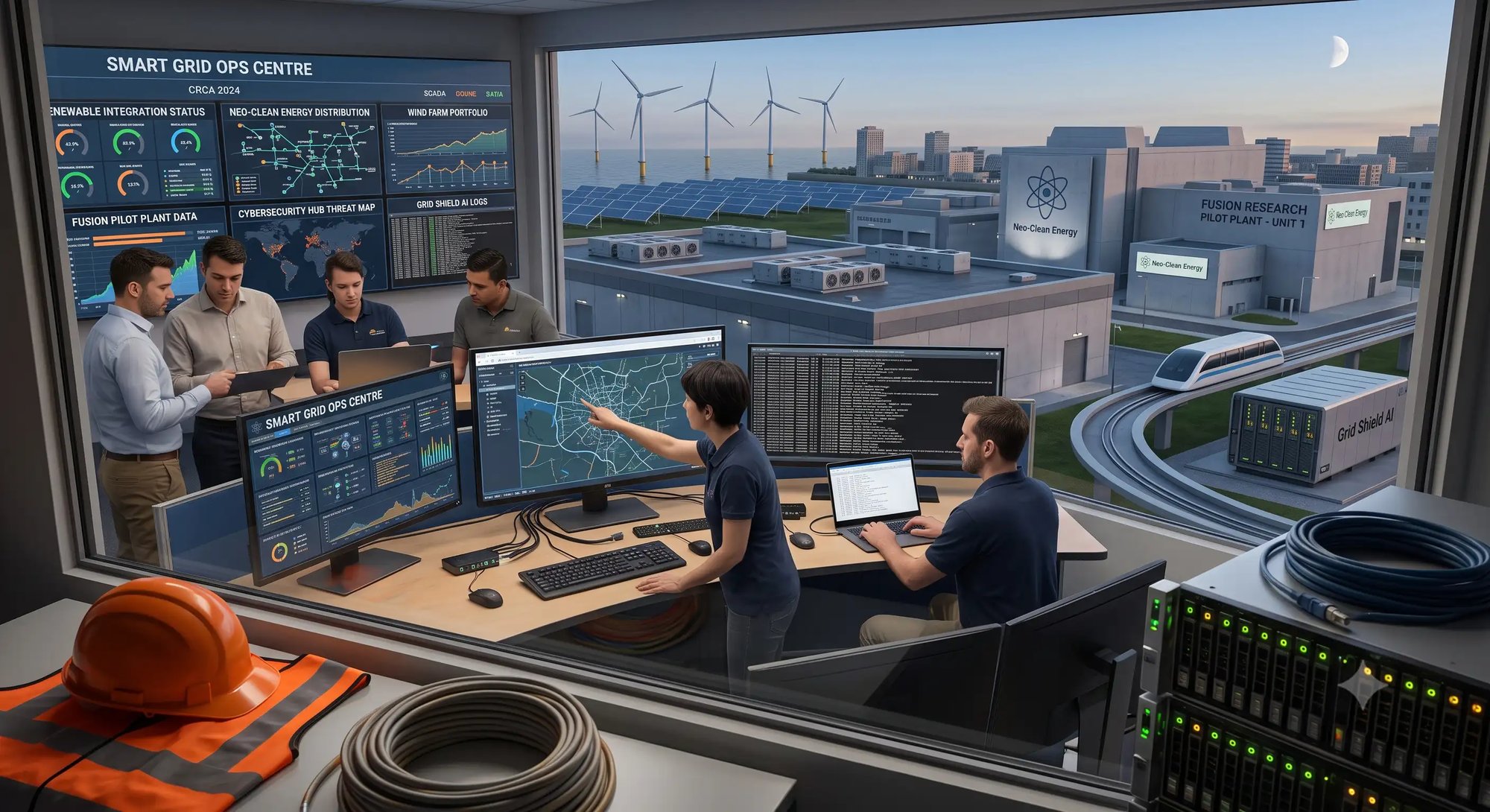
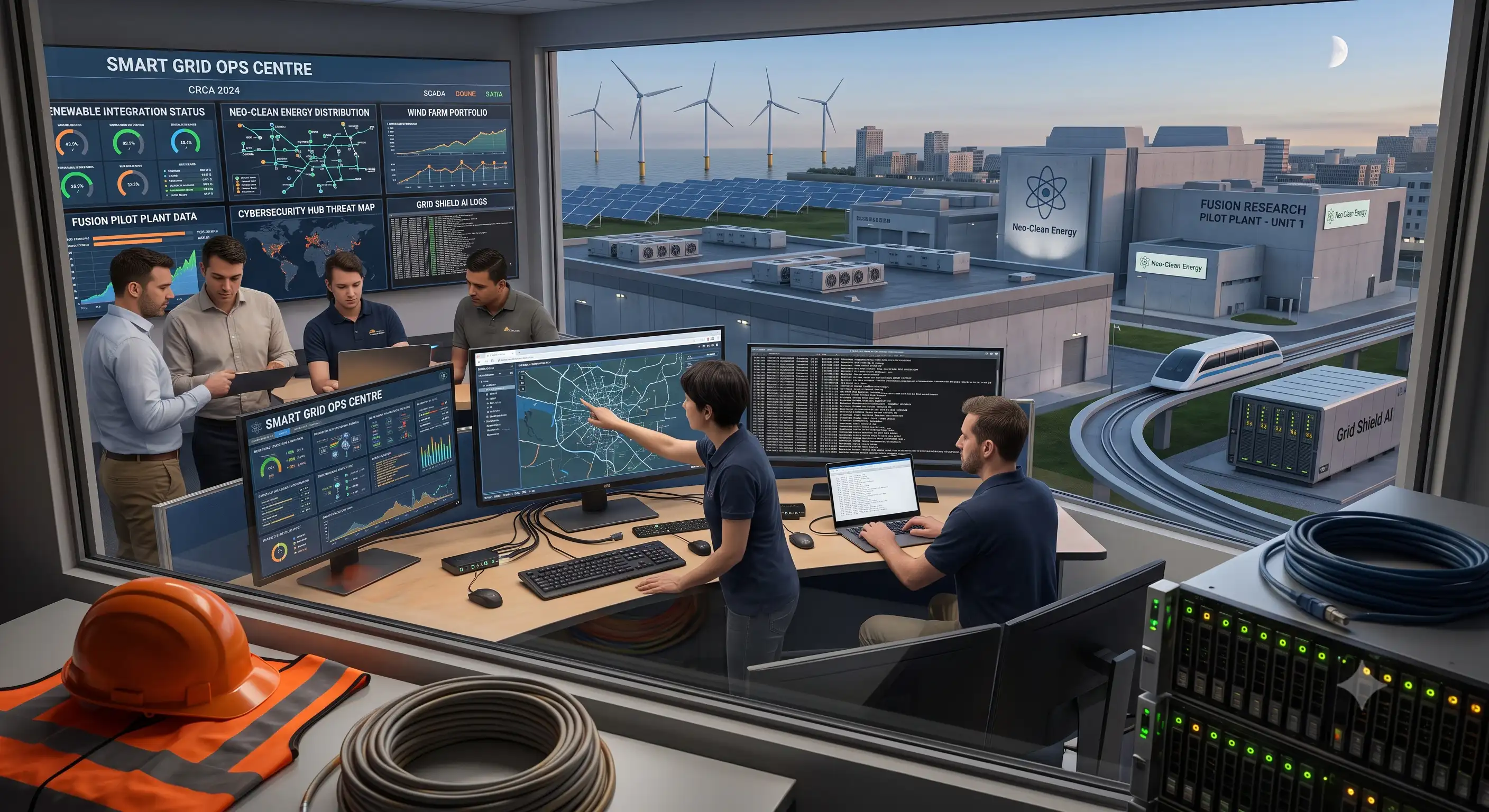
clean-energy-cyber-soc
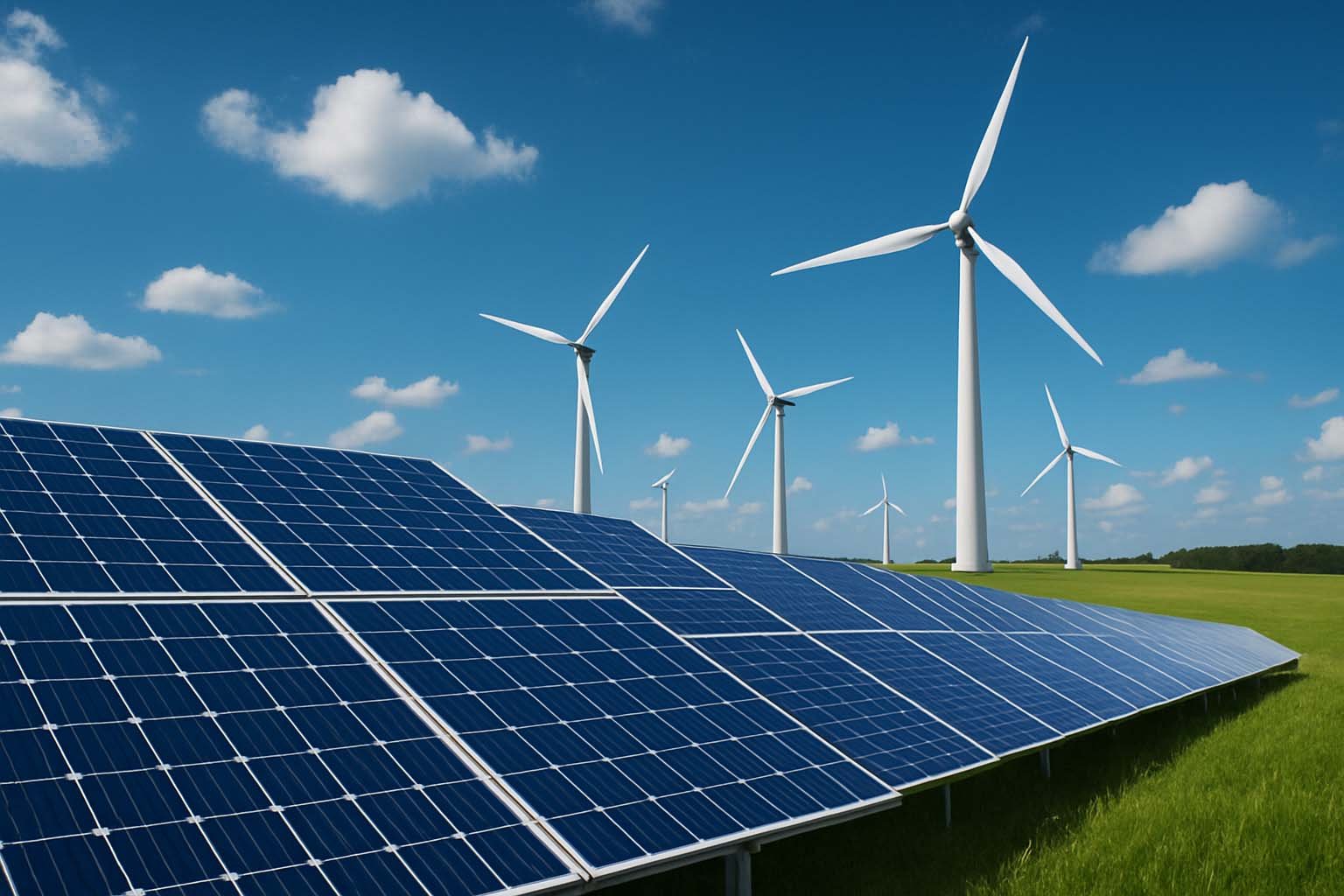
Solar panels and wind turbines representing renewable energy solutions

A range of technology powering the smart, clean home.

  • Security Cameras
  • Solar Panels
  • Inverters and Charge Controllers
  • Batteries
  • Home Servers, computers and mobile devices
  • Air conditioning
  • Lighting

Understand the risks

Knowing the risks and the benefits makes us better informed, to avoid being scammed and more secure in general

Smart tech is a Billion Dollar Industry

20+
Billions of IoT Devices connected worldwide
25+
Estimated cyber attacks daily on the average household
24%
1 study found that 76% of people are aware of IoT security risks but only 24% take action
How do smart home devices connect to clean energy technology like solar panels or EV chargers?

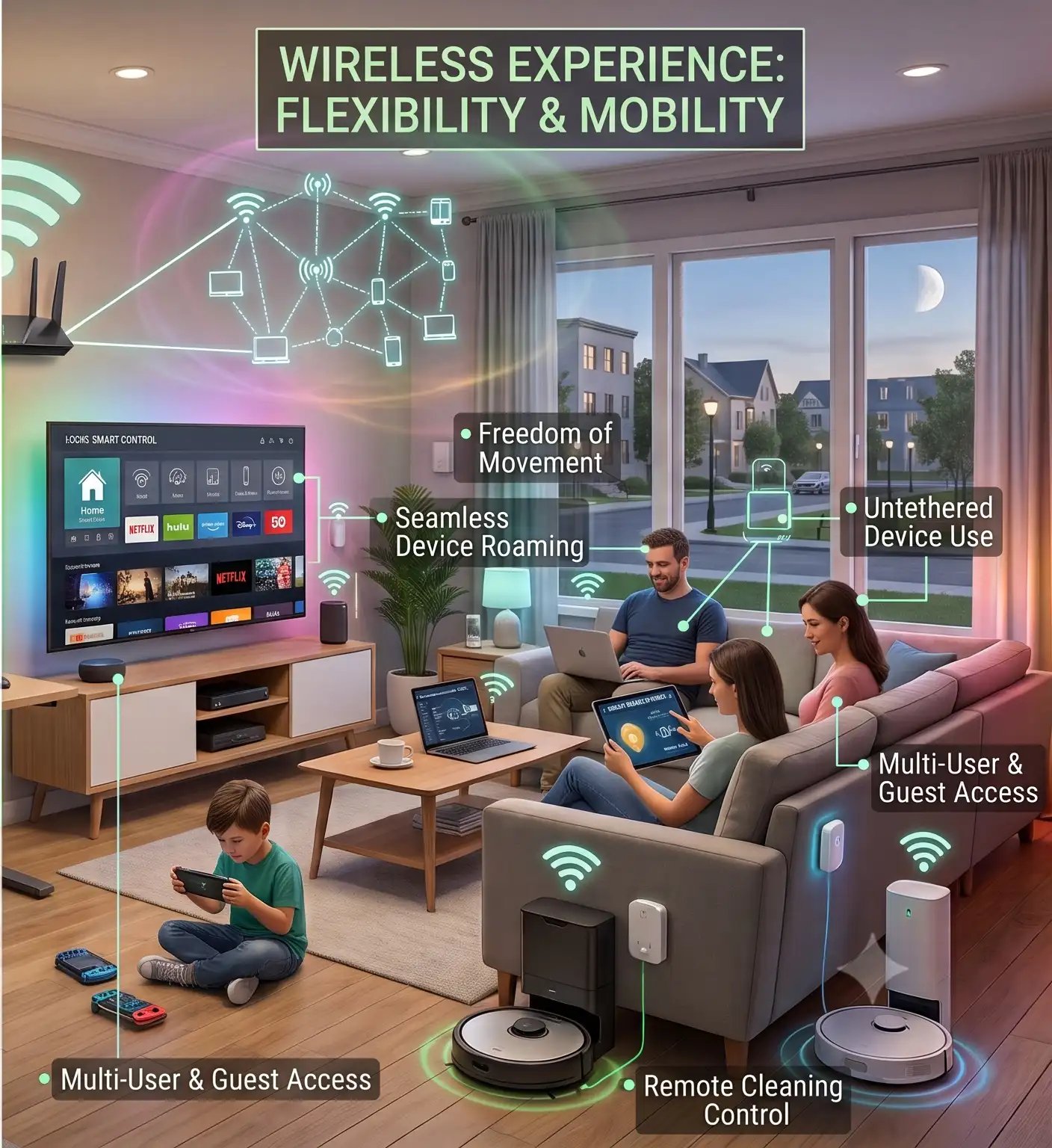
Smart home systems can talk to solar inverters, home batteries, and EV chargers over your home Wi-Fi network, allowing them to share data and coordinate — for example, charging your car or running appliances when your solar panels are producing the most power. This connectivity is what makes a "smart" clean energy setup possible, but it also means these devices are now part of your home network and need to be treated with the same care as any other connected device.

Is my smart thermostat or solar system a security risk?

Any device connected to the internet can be a potential entry point if it isn't set up securely — this includes thermostats, solar monitoring apps, and battery systems, not just cameras and locks. The risk isn't the technology itself, but how it's configured. A smart thermostat with a weak or default password is far more vulnerable than one set up with basic security practices in mind.

Do I need a separate network for my smart home and clean energy devices?

It's not strictly necessary, but many security-conscious households set up a separate Wi-Fi network (sometimes called a guest or IoT network) just for smart devices. This way, if one device is compromised, it's harder for an attacker to reach your main computers, phones, or personal files.

How do I know if a smart energy device (like a solar app or smart meter) is secure?

Look for devices that support regular software updates, use encrypted connections (usually indicated by the manufacturer), and let you set a strong, unique password rather than relying on a factory default. Reputable manufacturers will also be transparent about how your energy usage data is collected and stored.

Can hackers actually access my solar system, battery, or EV charger?

It's possible, though rare for individual households, and it usually depends on how the device was set up rather than a flaw in the technology itself. Devices left with default passwords, outdated firmware, or unnecessary remote access enabled are the most common targets — which is why basic security habits matter more than most people realize.

What's the simplest thing I can do to protect my smart, clean home?

Three habits go a long way: change default passwords on every device, keep firmware and apps updated, and only give devices the permissions they actually need. These three steps address the majority of real-world smart home security issues without requiring any technical expertise.

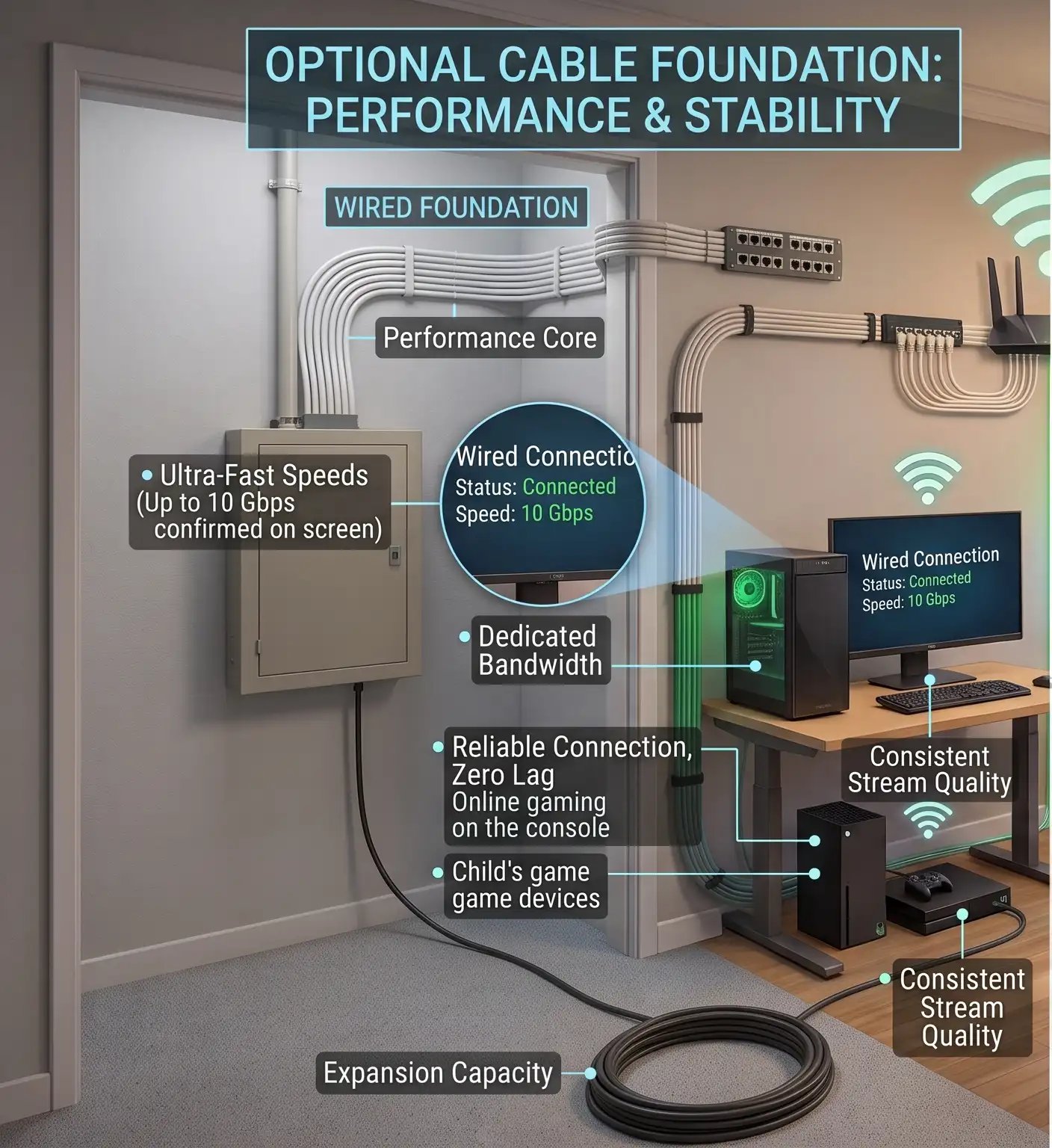
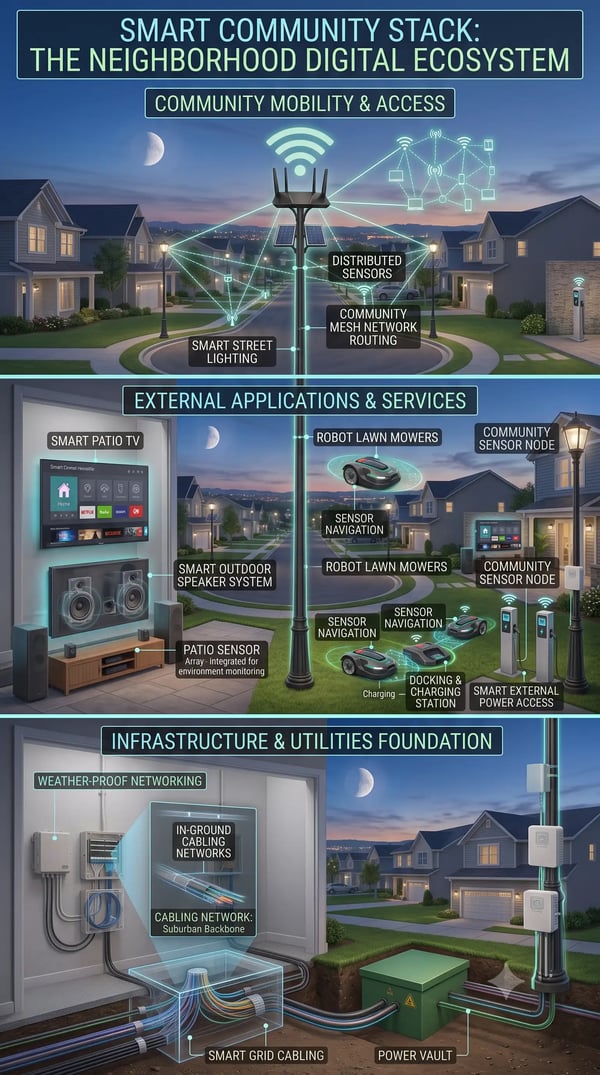
Neighbourhood-tech-stack